
Have you ever felt overwhelmed by the clutter in your life? I know I have. The constant stream of advertisements, the pressure to keep up with the latest trends, and the never-ending race for more can leave us feeling exhausted, both mentally and physically. It wasn’t until I discovered minimalism that I found a path to contentment.
Minimalism is not just about getting rid of stuff. It’s about finding joy in simplicity and embracing a minimalist lifestyle. It’s about letting go of the constant need for more and finding happiness in what we already have. When we strip away the excess, we create space for what truly matters: experiences, relationships, and personal growth.
Through minimalist living, I have found a sense of peace and contentment that I never thought possible. My home is now a sanctuary, free from clutter and distractions. With fewer possessions, I have more time and energy to focus on the people and activities that bring me joy. I have learned to prioritize my spending, choosing quality over quantity, and investing in experiences rather than things.
Embracing minimalism has also had a profound impact on my mindset. It has taught me to appreciate the little things, to be grateful for what I have, and to be present in the moment. I have let go of the constant need for more and have found freedom in living with less. I am no longer chasing after material possessions and societal expectations, but instead, I am pursuing my passions and living a life aligned with my values.
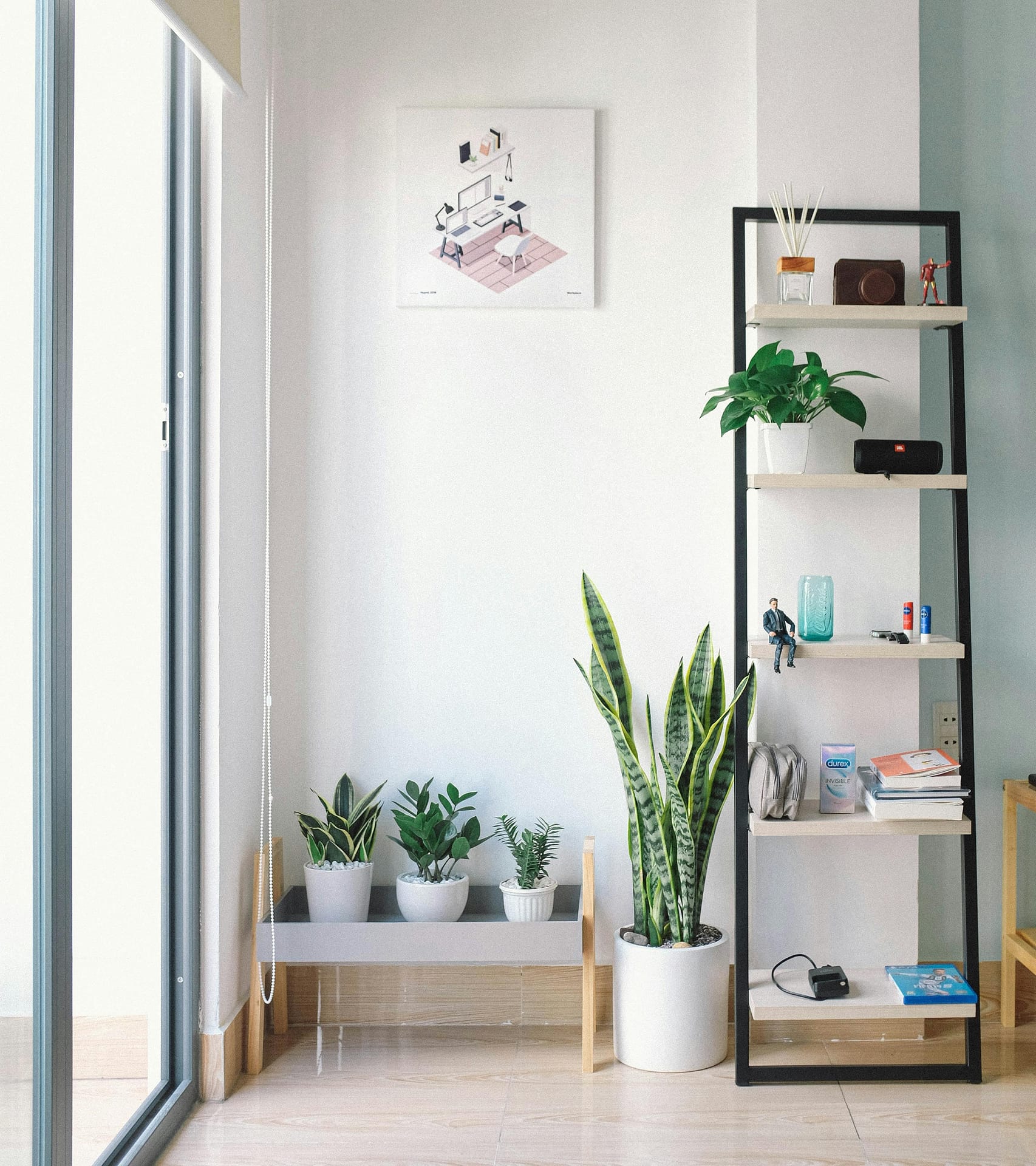
Key Takeaways:
- Minimalism is about finding joy in simplicity and embracing a simpler life.
- By decluttering our possessions, we create a space for what truly matters.
- Minimalism allows us to prioritize experiences, relationships, and personal growth.
- Embracing minimalism brings a sense of peace, contentment, and freedom.
- Living with less clutter and distractions leads to a more fulfilling and intentional life.
Understanding Minimalism and Its Benefits
Minimalism is a powerful mindset that offers numerous benefits for simplifying and enhancing your life. By intentionally focusing on what is essential and letting go of excess, you can achieve a greater sense of clarity, focus, and contentment.
Living with fewer material possessions and mental clutter allows you to free up physical and mental space, reducing stress and anxiety. With a minimalist lifestyle, you’ll discover that less truly is more, resulting in increased productivity and a greater ability to concentrate on what truly matters.
One of the first steps in embracing minimalism is decluttering your physical space. Start small by organizing your belongings and letting go of items that no longer serve a purpose or bring you joy. Consider donating or selling these items to give them a new life and create a sense of abundance.
But minimalism goes beyond physical possessions—it’s also about decluttering your digital life. Embrace digital minimalism by organizing your digital files, unsubscribing from newsletters and unnecessary email lists, and simplifying your online presence. This will help you streamline your digital interactions and keep your focus on what truly matters.
Mindful consumption is a fundamental aspect of minimalism. Rather than mindlessly acquiring more things, focus on quality over quantity. Invest in items that bring you long-lasting joy and have a purpose. This shift in mindset will not only save you money but also help you avoid the trap of accumulation and the stress that comes with it.
“The greatest wealth is to live content with little.” – Plato
Embracing minimalism isn’t always easy. Society often encourages us to strive for more, accumulating possessions and constantly chasing the newest trends. However, the benefits of minimalism far outweigh the challenges. By simplifying your life, you can cultivate a greater sense of contentment, focus on what truly matters, and find joy in the simplicity of everyday experiences.
To summarize, the benefits of minimalism include:
- Increased clarity, focus, and productivity.
- Reduced stress and anxiety.
- Mindful consumption and prioritization of quality.
- A sense of contentment and gratitude.
- Greater freedom and authenticity.
By adopting a minimalist mindset and simplifying your life, you can create space for what truly matters and find fulfillment in the pursuit of a simpler, more intentional life.

Embracing Minimalism in Different Aspects of Life
Minimalism extends beyond our physical possessions and permeates into various aspects of our lives, including our wardrobe, home, and mindset. By adopting minimalist principles in these areas, we can create a sense of harmony, simplicity, and contentment.
A Minimalist Wardrobe: Quality over Quantity
A minimalist wardrobe is built on the principles of quality over quantity and versatility. It consists of a curated selection of high-quality clothing items that can be mixed and matched to create numerous stylish outfits. By investing in a few timeless pieces, we can eliminate the need for a cluttered closet filled with clothes we rarely wear.
When building a minimalist wardrobe, it’s important to choose items that are durable, well-fitting, and reflect our personal style. By focusing on quality, we reduce the environmental impact of fast fashion and embrace a more sustainable approach to dressing.
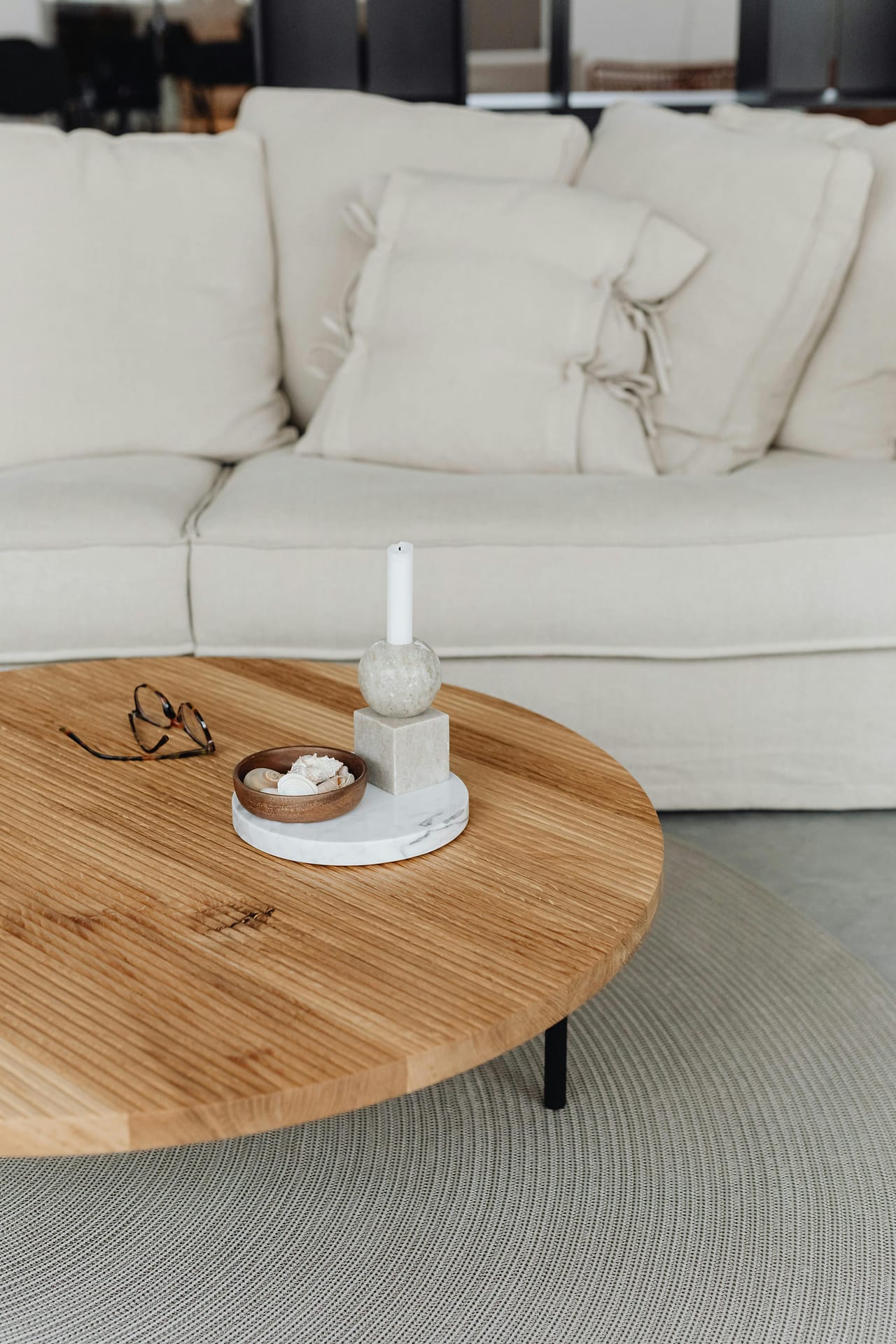
A Minimalist Home: Creating a Serene Sanctuary
A minimalist home is characterized by clean lines, uncluttered spaces, and functionality. It provides a serene sanctuary where we can escape the chaos of the outside world and find inner peace.
By decluttering our living spaces and only keeping items that serve a purpose or bring us joy, we create an environment that encourages relaxation and focus. Minimalist home decor focuses on essential pieces that enhance the overall aesthetic without overwhelming the space.
When designing a minimalist home, simplicity is key. Neutral color palettes, natural materials, and the use of storage solutions help maintain a clean and organized environment. This approach not only creates a visually appealing space but also reduces the mental and physical stress associated with excessive clutter.
A Minimalist Mindset: Embracing Simplicity and Gratitude
Minimalism is not just about physical possessions; it’s about adopting a minimalist mindset as well. This involves embracing simplicity, prioritizing experiences over material possessions, and cultivating gratitude.
“Simplicity is the ultimate sophistication.” – Leonardo da Vinci
A minimalist mindset encourages us to find joy in the present moment, practice mindfulness, and appreciate the simple pleasures of life. By focusing on experiences rather than accumulating material possessions, we can create lasting memories and develop a greater sense of fulfillment.
Practicing gratitude is another important aspect of a minimalist mindset. Taking the time to acknowledge and appreciate the things we already have fosters contentment and reduces the desire for more material possessions.
Embracing a minimalist mindset not only benefits ourselves but also the environment. By consuming less and being more mindful of our purchases, we contribute to a more sustainable and eco-conscious future.
Benefits of Embracing Minimalism
| Aspect | Benefits |
|---|---|
| Minimalist Wardrobe | Saves time and decision-making energy Reduces environmental impact Promotes personal style and individuality |
| Minimalist Home | Creates a calming and stress-free environment Enhances focus and productivity Promotes cleanliness and organization |
| Minimalist Mindset | Fosters contentment and gratitude Reduces stress and anxiety Encourages mindfulness and living in the present |
Embracing minimalism in our wardrobe, home, and mindset allows us to live a more intentional, fulfilling, and sustainable life. By prioritizing quality over quantity and cultivating gratitude for what we already have, we can find contentment in the simplicity of minimalism.
Finding Contentment Through Minimalism: A Step-by-Step Guide
Finding contentment alongside minimalism is a journey that requires intentional effort. It starts with recognizing that true happiness extends beyond material possessions. By embracing minimalism, we can create a space for contentment and a simpler, more fulfilling life.
Step 1: Identify What Truly Matters
Take a moment to reflect on what brings you long-term happiness and fulfillment. Shift your focus from acquiring more things to cherishing meaningful experiences, relationships, and personal growth.
Step 2: Declutter Your Possessions
Begin by decluttering your physical space. Let go of items that no longer serve a purpose or bring you joy. Create a minimalist environment that promotes calmness, clarity, and a sense of freedom.
Step 3: Release Emotional Attachments
Letting go of emotional attachments can be challenging but is crucial in finding contentment. Understand that memories reside within you, not within the physical objects themselves. Embrace the present moment and allow yourself to move forward without unnecessary emotional baggage.
Step 4: Practice Gratitude
Cultivate a mindset of gratitude and appreciation for what you have. Focus on the positive aspects of your life and acknowledge the abundance that exists. Expressing gratitude daily can shift your perspective and enhance your sense of contentment.
“Gratitude turns what we have into enough.” – Anonymous
Step 5: Embrace the Ups and Downs
Life is full of ups and downs, and contentment comes from accepting and embracing them. Recognize that challenges and setbacks are opportunities for growth and self-discovery. Embrace the journey and trust that you have the resilience to navigate through life’s unpredictability.
Remember, contentment is not about having everything, but about realizing that you have enough. By living with less and focusing on what truly matters, you can find contentment through minimalism and experience the joy of a simpler, more intentional life.
Benefits of Minimalism
Adopting a minimalist lifestyle brings numerous benefits that contribute to contentment and overall well-being. Here are a few key advantages:
- Reduced stress and anxiety: Living with less clutter and fewer distractions creates a sense of peace and calmness.
- More time and energy: With fewer possessions to manage, you can invest your time and energy into activities that bring you joy and fulfillment.
- Financial freedom: Minimalism encourages mindful consumption, which can lead to saving money and making intentional spending choices.
- Enhanced focus and productivity: A minimalist environment promotes clarity and allows you to concentrate on your priorities.
- Greater environmental sustainability: By consuming less and embracing conscious choices, you contribute to a more sustainable future.
Embracing minimalism is not about sacrifice or deprivation – it is about finding contentment and happiness in living with less. Start your journey towards a simpler life today, and discover the profound impact it can have on your well-being.
Conclusion
Embracing minimalism is the key to reclaiming our lives from the chaos of excess and finding contentment in a simpler, more intentional life. It is not about sacrifice or deprivation but about prioritizing what truly brings us joy and fulfillment. By simplifying our surroundings and mindset, we can create space for self-reflection, mindfulness, and authentic connections.
The journey towards contentment through minimalism is a personal one, unique for each individual. It is a continuous process of progress rather than seeking perfection. As we let go of the unnecessary, we begin to discover a life filled with meaning, purpose, and joy. Living a simple life allows us to focus on what truly matters, fostering gratitude and appreciation for the present moment.
Embracing minimalism brings a profound sense of freedom, as we no longer define ourselves by our possessions but by our experiences and relationships. It encourages us to let go of the clutter that distracts us from living our best lives. By intentionally choosing to embrace minimalism, we create space for what truly brings us contentment and fulfillment.