
Did you know that 40% of our capacity for happiness is within our control? This isn’t a musing or an inspirational quote – it’s backed by rigorous scientific research in the field of positive psychology. It implies that a considerable portion of our happiness, contentment, and overall well-being isn’t just handed to us by genetics or determined by life circumstances, but is something we can actively cultivate through conscious choices and actions.
Inspiring, isn’t it? See, I’m not just an optimist, but a firm believer in personal development and the life-enhancing magic of self-improvement. The road to achieving contentment, to me, is not just about overcoming hurdles and navigating through life’s ups and downs, it’s about embracing every step of the journey of growth – a journey that truly makes life worth living.
The science of happiness, or “positive psychology,” offers the tools we need to transform our well-being, imbue our lives with positivity, and foster our personal growth. It calls us to focus less on “fixing” what’s wrong and more on enhancing what’s right. It’s about developing a mindset transformation that allows us to harness the power of positivity and sculpt our own happiness.
Key Takeaways
- Positive psychology shows that 40% of our capacity for happiness is within our control.
- A large part of achieving contentment and personal growth is about making conscious choices and taking intentional actions.
- Positive psychology encourages us to focus less on fixing our problems and more on amplifying our strengths and the positive aspects of our lives.
- Mindset transformation plays a key role in personal growth and achieving happiness and fulfillment.
- Self-improvement isn’t just about overcoming challenges, it’s about embracing the journey of growth and making life worth living.
Positive Psychology: The Foundation of Fulfillment
Positive psychology, a breakthrough in the realm of mental health, invites us to embrace life’s affirmative aspects such as joy and gratitude. The practice of recalling and writing down things we are grateful for, such as maintaining a gratitude journal, can be a powerful tool to uplift our mood and foster resilience.
One of the crucial aspects of positive psychology is leveraging individual strengths. When applied effectively, our inherent skills and talents can significantly improve the quality of our relationships, and enhance professional engagements. It’s not just about what we do, but who we are at our core that propels us towards happiness and fulfillment.
Part of the journey of personal transformation is adopting an optimistic outlook. Martin Seligman’s concept of “learned optimism” emphasizes the power of positive thinking—a perspective that serves as an audacious rebellion against life’s adversities. In addition to optimism, the pursuit of purposeful activities that align with one’s values paves the way for a fulfilling life.
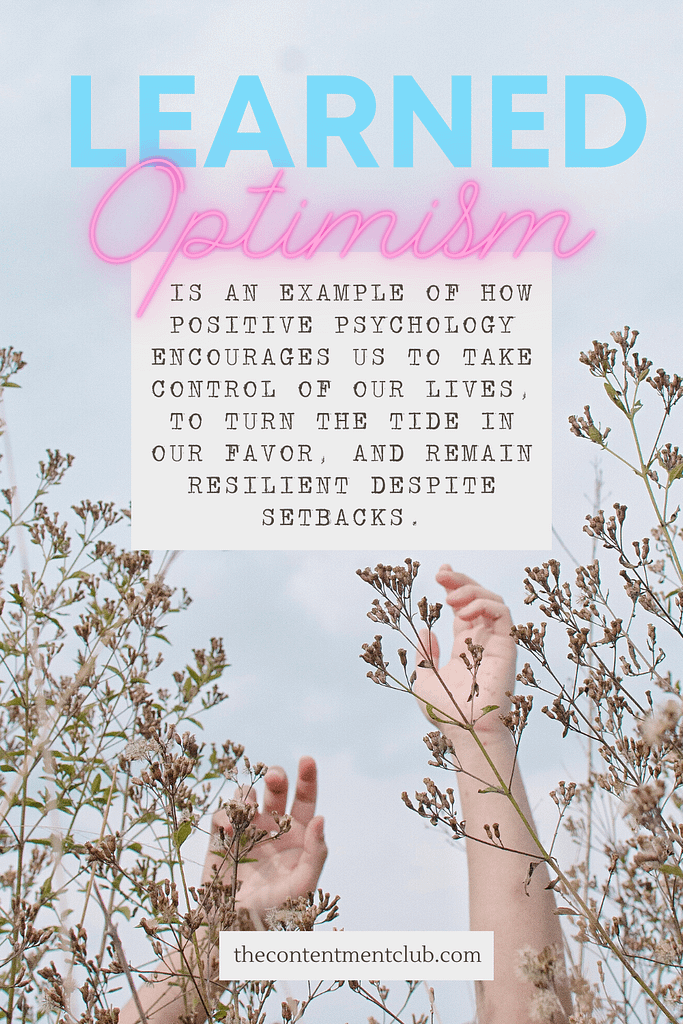
“Learned optimism” is an example of how positive psychology encourages us to take control of our lives, to turn the tide in our favor, and remain resilient despite setbacks.
Positive psychology underscores the importance of nurturing relationships in personal growth. It is in the company of others that we find comfort, acceptance, and mutual support, significantly enhancing our well-being. As such, positive psychology has found its application in not just individual personal development, but also in improving workplace environments, therapeutic interventions, and educational methodologies.
| Core Components of Positive Psychology | Benefits |
|---|---|
| Embracing positive emotions (i.e. joy, gratitude) | Boosts mood and resilience |
| Leveraging individual strengths | Improves relationships and enhances work performance |
| The adoption of an optimistic outlook | Propels resilience |
| Pursuit of purposeful activities | Cultivates a fulfilling life |
| Nurturing relationships | Enhances personal growth and improves well-being |
In essence, positive psychology is a testament to our innate capacity for constant growth and personal evolution—a beacon of hope highlighting the potential of human resilience and optimism as we embark on the quest of meaning and purpose.
Exploring the Meaning of Happiness
In our journey of understanding happiness, we realize that it’s a complex, layered phenomenon. Happiness is not just a smile hiding the storm within; it encompasses a spectrum of positive emotions extending from joy and contentment to fulfillment and satisfaction. It manifests in different forms and textures, making it a richly rewarding field of study. It is crucial to recognize it as not just an outcome of satisfactory life events but a product of an intentional, positive mindset as well.
Dimensions of Happiness: More than Just a Smile
The expression of happiness varies significantly among individuals, making it a unique entity shaped by personal perception and interpretation. For some, it could be the joy of reaching a long-awaited goal while for others, it could be the simple contentment of spending quality time with loved ones. The common dimensions of happiness—which include joy, contentment, satisfaction, and fulfillment—often interconnect to shape the overall level of happiness experienced by an individual.
Happiness as a Dynamic, Multi-Faceted Experience
The concept of happiness extends beyond mere emotional highs; it is a dynamic, multi-layered experience constantly influenced by one’s mindset, mental health, cultural background, and surrounding environment. It is much more than just a passive reception of good events; it is an active process where personal growth and positive emotional practices play fundamental roles. Studying happiness from the realms of psychology and neuroscience offers insightful understanding about different neurotransmitters and their roles in experiencing pleasure and satisfaction.
“Happiness is a journey, not a destination.”
The exploration of happiness across cultures offers a wider perspective showcasing how it is perceived and pursued differently in diverse cultural backgrounds, subtly molded by varying values, norms, and traditions.
| Cultural Context | Perception of Happiness |
|---|---|
| Western | Focuses on personal achievements, individualism, and feelings of contentment derived from accomplishment. |
| Eastern | Centers around harmony, balance and the well-being of the group rather than just the individual. |
To decode the enigma named ‘Happiness’, we need to delve deeper into our individual experiences and understand how our mindset and cultural variations impact it. With the right blend of understanding, acceptance, and directed efforts, we can tread closer towards the goal of attaining sustained happiness.
Contentment and Personal Development: A Journey of Growth
The voyage to contentment and personal development begins with a deliberate pursuit of happiness. This journey is greatly enriched by broadening our understanding of happiness and its varied psychological and cultural interpretations. The path to self-discovery is not one of solitude, but of understanding, acceptance, and transformation, leading us to states of inner peace, happiness and fulfillment.
The implications of genetic and environmental influences on our happiness are profound. Acknowledging these influences allows us the ability to consciously shape an environment conducive to our well-being. The mysteries of happiness are not just scientific. They are deeply embedded within philosophical and historical perspectives that offer additional wisdom to aid in the journey of growth.
Personal balance is a vital element necessary for advancing personal growth towards happiness. It is the equilibrium that allows us to navigate the ebbs and flows of life’s unpredictability, ensuring we stay on the path to fulfillment.
In the process of self-discovery and personal development, we craft our narrative. This narrative is not merely a recollection of our experiences, but a compass in navigating our journey towards inner peace and fulfillment.
Personal development is more than just self-enhancement—it is about achieving a sense of equilibrium and peace that permeates throughout all aspects of our lives.
| Elements of Personal Development | Role in Life Balance |
|---|---|
| Self-Discovery | Fosters the recognition of our core values, passions, and skills, leading to a deeper understanding of self. |
| Inner Peace | Buoyancy in adverse situations and reduces impacts of external stressors on happiness. |
| Personal Growth | Enhances abilities, skills, and characters attributes providing us with a sense of achievement and fulfillment. |
| Life Balance | Promotes well-being, reduces stress, and increases satisfaction by delivering a sense of control and purpose. |
| Personal Transformation | Enables us to create sustainable changes that align with our aspirations, thus fostering a balanced life. |
Embrace the journey of growth towards satisfaction and contentment. Remember, it’s not about the destination—it’s about the journey itself, the personal transformation you undergo, and the person you become along the way.
Embracing a Positive Mindset for Personal Transformation
Having a positive mindset leaves a potent effect on all facets of our lives, especially our pursuit of self-improvement and the attainment of contentment. This encompasses both our mental and emotional wellbeing along with our capacity to adapt and grow amidst life’s fluctuations. The pillars that uphold this transformative mindset predominantly consist of optimism and a growth mindset.
The Power of Optimism in Personal Development
Optimism, an integral component of a positive mindset, primes us to foresee promising prospects even when faced with adversity. It instills resilience in us, aiding us in devising healthier coping strategies to tackle life’s obstacles, thus easing the process of our personal transformation.
“Optimism is a happiness magnet. If you stay positive, good things and good people will be drawn to you.”
Growth Mindset: A Catalyst for Change
The concept of a growth mindset takes root in the belief that our abilities and intelligence can be developed through dedication and hard work. It allows us to view challenges as platforms for learning and self-improvement, rather than as roadblocks. By embracing this mindset, we align ourselves with the dynamic process of achieving contentment, seeing transformation and change as allies and not enemies. A growth mindset encourages the understanding that progress and growth occur when we step out of our comfort zones and dare to venture into new territories.
- It encourages learning from failures and not being deterred by them.
- It motivates us to persevere even in the face of adversity.
- It nurtures an insatiable curiosity and passion for learning.
- It drives us to strive for improvement and progress, not perfection.
A positive mindset is not necessarily about constantly radiating happiness and trying to turn every negative situation into a positive one. Rather, it’s about remaining hopeful and exhibiting resilience during difficult times; it’s about understanding that we are works in progress and that every step we take contributes to our personal transformation and evolution.
Happiness and Fulfillment: Cultivating an Inner Spring
In our quest for happiness, we often overlook the integral role of inner peace and self-actualization. These concepts form the bedrock of lasting contentment and personal growth. By cultivating inner peace, we form a sturdy base for happiness to flourish. Meanwhile, in our pursuit of self-actualization, we discover our fullest potential, leading to deep-rooted fulfillment.
Inner Peace as the Root of Happiness
Anxiety, worry, and stress often hamper our pursuit of happiness. Extracting ourselves from these negative states is where the essence of inner peace thrives. Building this mental tranquility allows us to streamline our concentration and energy on what truly matters, sowing the ground work for happiness to bloom. When we center our thoughts and quiet our minds, we cultivate a landscape ripe for personal growth.
Fulfillment Through Self-Actualization
Apart from inner peace, self-actualization is another determinant of our happiness. As Abraham Maslow proposed in his psychological hierarchy of needs, self-actualization involves recognizing and striving for our highest capabilities. It represents a state where we are not just surviving, but thriving – flourishing in a manner that aligns with our core essence. Working towards this attribute engenders a sense of fulfillment, wherein we acknowledge our potential, continually seek personal growth, and in turn, nurture our inner spring towards lasting joy and contentment.
| Components | Descriptions |
|---|---|
| Inner Peace | Creating a serene, mentally tranquil state that allows for focused energy and priorities, forming a fertile ground for happiness to flourish. |
| Self-Actualization | Recognizing and striving towards our fullest potential, enabling a thriving state that aligns with our core strengths and values, leading to profound fulfillment. |
In conclusion, striking a balance between inner peace and self-actualization offers boundless opportunities for personal growth. Intentionally nurturing these elements within ourselves can help us achieve the deep contentment we seek in our journey of happiness and fulfillment.
Mindfulness: A Tool for Achieving Contentment

In our incessant rush toward personal growth and happiness, we often neglect the power of being in the moment. This is where the age-old wisdom of mindfulness takes center stage.
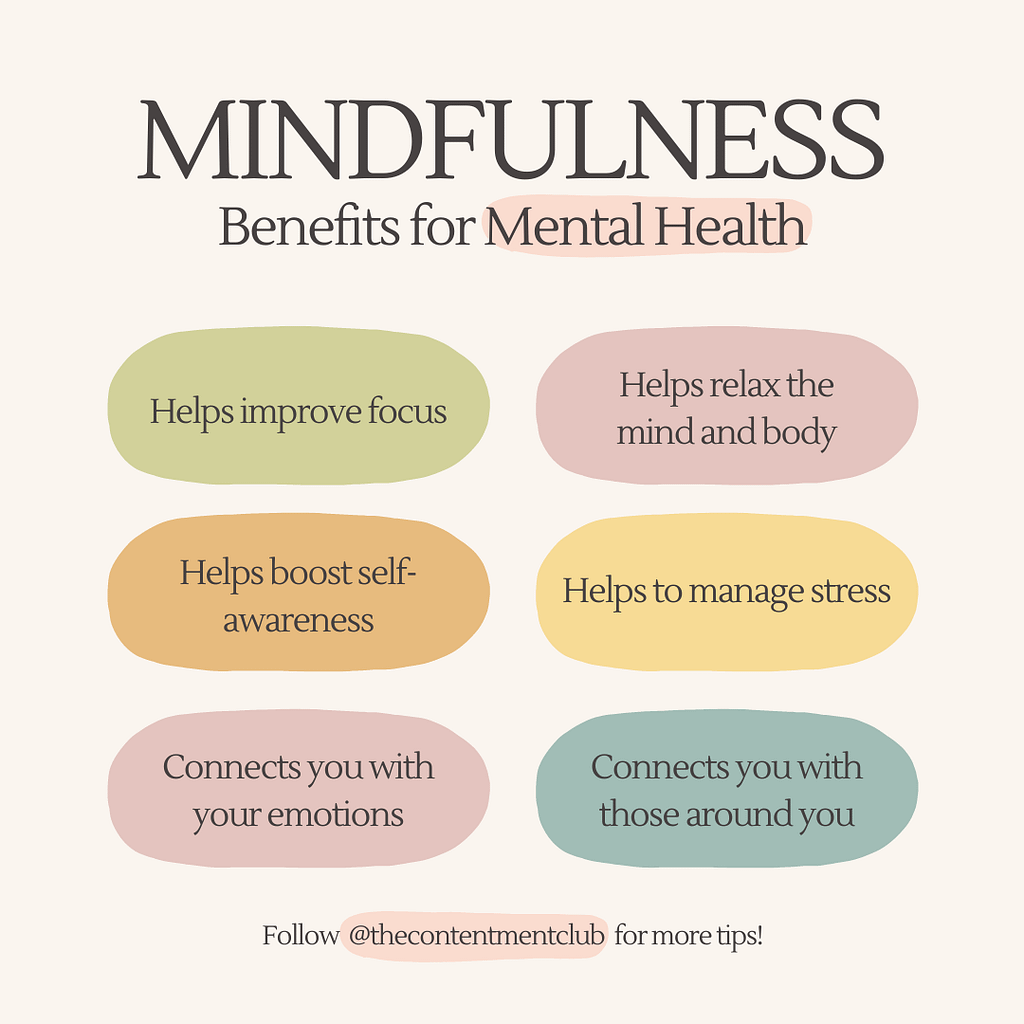
Mindfulness, to put it simply, is the art of being fully present. It’s about engaging with the present moment with an open heart and a curious mind, bidding adieu to judgment, and revelling in the beauty of the now.
Practicing mindfulness daily, be it through meditation or simply taking a moment of silence amidst the day’s hustle, can profoundly influence our journey of personal growth, guide us towards achieving contentment, and enhance our overall well-being.
“Mindfulness means being awake. It means knowing what you are doing.”– Jon Kabat-Zinn,
True happiness can unfold when we begin to notice the everyday miracles surrounding us – the warmth of the sun, the cool breeze, or the chirp of a bird. By fostering mindfulness, we reject the oppressive shackles of past regrets and future anxieties, enabling ourselves to interact with the world from a place of serenity and peace.
| Practice | Benefits |
|---|---|
| Mindful Breathing | Reduces stress and promotes relaxation |
| Mindful Eating | Encourages healthy eating habits, supports digestion |
| Mindful Walking | Boosts circulation, builds physical and mental endurance |
| Mindful Listening | Promotes better communication, improves relationships |
The Interconnection of Well-Being, Self-Esteem, and Contentment
Unraveling the crux of personal development, we find self-esteem, contentment, and well-being intrinsically linked. Our sense of intrinsic value, described through self-esteem, and inner harmony, perceived as contentment, prominently contribute to our overall well-being. A healthier sense of self-esteem tends to lead to a greater sense of contentment, paving the way for better life satisfaction. The strength gained from these components of well-being, in turn, empowers us to venture forth in the path of personal development.
Enhancing Self-Esteem for Greater Life Satisfaction
Adequate self-esteem boosts our confidence to face challenges and propels us to reach our potential. Enhancing self-esteem doesn’t mean inflating our ego, but recognizing our inherent value and capabilities. This genuine confidence helps cut through self-doubt and allows us to celebrate achievements whole-heartedly, which contributes significantly to life satisfaction.
Navigating the Path to Well-Being with Self-Compassion
Besides self-esteem, self-compassion serves as an essential tool in the journey of personal development. Treating ourselves kindly, especially in times of struggles or setbacks, prevents self-critical thoughts from overshadowing our capacity to grow and learn. The emboldening combination of self-esteem and self-compassion directs us towards healthier well-being and life satisfaction.
To summarize, the interconnection of self-esteem, contentment, and well-being highlights the role of internal factors in our personal development journey. As we learn to value ourselves more and treat ourselves kindly, we can sustain inner harmony and enjoy higher life satisfaction.
The Art of Maintaining Life Balance in Pursuit of Happiness
In the journey of personal development, maintaining a harmonious balance between personal and professional life serves as the bedrock for attaining enduring happiness. For many, this concept of a balanced life could seem elusive. However, it’s undeniably an achievable aspect of life when we consciously implement strategies to manage stress and nurture equanimity.
Journey to Achieving a Harmonious Life
Harmonizing our lives begins with identifying our values and aligning them with our actions. It involves prioritizing activities that contribute positively to our emotional, physical, and mental well-being, and it extends to wisely delegating our time among responsibilities, leisure, and self-improvement activities.
At the heart of it, the journey to a harmonious life revolves around continuous personal development. We must keep reassessing our needs and desires, refining our goals and strategies accordingly.
Managing Life’s Ups and Downs with Equanimity
Life’s journey is not always a smooth ride. There are highs and lows, successes and setbacks. However, managing these ups and downs with equanimity is essential for maintaining happiness. Equanimity allows us to navigate through life’s challenges with a stable and tranquil mind, which is the cornerstone of a balanced and fulfilling life.
| Benefits of Equanimity | Ways to Cultivate Equanimity |
|---|---|
| Reduces anxiety and stress | Practicing mindfulness meditation |
| Enhances emotional resilience | Reframing negative thoughts |
| Supports sound decision-making | Being present in the moment |
| Improves interpersonal relationships | Acknowledging and accepting emotions without judgment |
To summarize, the art of maintaining life balance in pursuit of happiness lies in striving for a harmonious life and managing life’s challenges with equanimity. By consciously investing time and effort into personal development, we can thus create a life that not only feels good on the inside but also looks good on the outside.
From Self-Improvement to Self-Discovery: Your Personal Growth Plan
The path that we tread on our journey from self-improvement to self-discovery is as unique as every individual. Each step we take moves us towards unlocking deeper layers of our personality and helps us embrace our evolved selves with open arms and a sense of accomplishment.
It all starts with a conscious choice, a decision to embark on this transformative journey. The best friend you have in this journey is a personal growth plan tailored to your aspirations. Not a rigid, unchangeable map, but rather a flexible guide that adapts to your changing needs and new self-realizations.
Creating a personal growth plan is not as daunting as it might sound. It can start with articulating your goals in clear and simple terms. What areas of life would you like to focus on? Is it enhancing your physical health? Or would you like to work on your mental strength? Or perhaps it’s a skill you have long wanted to possess? The key lies in identifying what matters to you most.
Once you have your goals outlined, the next step is to plan an action list. This is a step-by-step guide to reaching your objectives. If it’s improving physical health, your plan could include dedicating time for regular exercise and modifying your diet. For improving mental resilience, your plan may include mindfulness practice, seeking professional help, or joining a peer support group.
Remember, the focus of this journey lies not merely in reaching your goals but also in the process of achieving them. It is the journey where you experience happiness, contentment, and personal transformation. Each step you take is adding bricks to the foundation of your new, evolved self.
“The only impossible journey is the one you never begin.” – Tony Robbins
As you traverse the path from self-improvement to self-discovery, celebrate every small win. Each new achievement no matter how small, is a testament to your determination, commitment, and the tangible steps you are taking toward personal growth.
In essence, your personal growth plan serves as your roadmap on the path of self-improvement leading to self-discovery, ultimately contributing to overall happiness and contentment. Embrace the journey with an open heart and mind, and remember, every step you take is one step closer to your best self.
Relationships: The Role They Play in Personal Happiness
Relationships play an integral role in shaping our personal happiness, contributing significantly to our sense of well-being and contentment. The ability to build positive relationships and enhance emotional intelligence can lead to deeper, more meaningful connections that bolster mental health and heighten our overall sense of happiness.
Building and Sustaining Positive Relationships
Fundamental to personal happiness is establishing and maintaining positive relationships. Being surrounded by supportive, caring individuals enhances our sense of worth and belonging, enriching our lives in countless ways. It gives us emotional stability, a shared sense of joy, and a feeling of being loved and appreciated.
“Positive relationships act as a pillar of strength, providing emotional security and contributing immensely to our sense of personal happiness.”
It’s also essential to understand the dynamics involved in developing and sustaining these relationships. This involves fostering open communication, showing genuine empathy, and possessing a willingness to compromise.
Developing Emotional Intelligence for Deeper Connections
Emotional intelligence is crucial in establishing deeper connections in our relationships. It allows us to perceive, understand, and manage emotions, both in ourselves and in others, thereby enhancing our interpersonal effectiveness. Having high emotional intelligence enables us to address conflicts amicably, empathize with others’ experiences, and build long-lasting relationships that contribute to our overall happiness.
| Key Facets of Emotional Intelligence | Description |
|---|---|
| Self-Awareness | Understanding your emotions and how they impact your thoughts and behavior |
| Self-Management | The ability to control impulsive feelings and behaviors |
| Social Awareness | Understanding the emotions, needs, and concerns of others |
| Relationship Management | The ability to develop and maintain good relationships, communicate clearly, and inspire and influence others |
In summary, the role of positive relationships and emotional intelligence in shaping personal happiness is profound. By developing these vital skills, we can create deeper, more meaningful connections that enrich our lives and enhance our sense of well-being.
Overcoming Obstacles on the Path to Personal Growth
Personal growth frequently involves a journey down a path riddled with obstacles. While these deterrents may initially seem insurmountable, their presence is not designed to deter progress, but encourage adaptation, resilience, and learning. Recognizing this inherent potential for personal growth in overcoming obstacles provides a shift in perspective. It fosters an empowering mindset where addressing stress and anxiety transform from overwhelming hurdles into opportunities for growth and self-discovery.
Addressing Stress and Anxiety as Barriers to Happiness
Stress and anxiety are commonplace in our society, acting as significant barriers to happiness. They can be debilitating, impacting our mental and physical well-being, and hindering the progress in our journey of personal growth. However, marking them as obstacles provides an opportunity to devise strategies and initiate steps to mitigate their effects.
- Identify the Sources: Understanding the factors that contribute to stress and anxiety is the first step in addressing them.
- Adopt Healthy Habits: Regular physical activity, balanced nutrition, and sound sleep. Sufficient self-care practices can improve resilience to stress and anxiety.
- Seek Help When Necessary: Recognize when professional help is needed. Therapists and psychologists can provide effective strategies and treatments to manage stress and anxiety.
Transforming Obstacles into Opportunities for Growth
Transforming obstacles into opportunities for growth calls for a shift in perspective. Embracing the notion that challenges can serve as catalysts for development and learning can be transformative.
| Obstacle | Perspective Shift | Growth Opportunity |
|---|---|---|
| Setback | Chance to reassess | Development of new strategies |
| Criticism | Feedback for improvement | Gaining valuable insights for self-improvement |
| Failure | Road to success | Learning valuable lessons from mistakes |
“The greater the obstacle, the more glory in overcoming it.” – Moliere
Dealing with the challenges of life is not about avoiding them but learning from them. Sustainable personal growth stems from the capacity to turn obstacles into opportunities, address stress and anxiety in effective ways, and embrace challenges as necessary elements of the journey.
Conclusion
In the scope of this grand journey, the amalgamation of contentment and personal development surfaces as a dynamic pathway towards a fulfilling life. The exploration of positive psychology has gifted us the valuable perspective of viewing our mental health not as a battle ground of obstacles, but as a fertile field for growth and flourishing. Guided by the principles of positive psychology, we delve into a realm where our unique strengths and innate resilience are nurtured, fostering an environment for substantial self-improvement.
Achieving contentment is a unique, intra-personal journey. It’s about taming the turbulent waves of our mind and recognizing the tranquility that lies within us. It’s about aligning our aspirations, actions, and attitudes with our authentic selves for a fulfilling life. Contentment, thus, is not merely a destination, but a continuous process of personal growth and transformation.
Moving forward, we realize that our well-being is deeply intertwined with our journey towards personal growth. As we embrace happiness and fulfillment, they become woven into the tapestry of our lives, influencing our relationships, experiences, and perceptions. This narrative of positivity emboldens us to integrate optimism, purpose, and meaningful relationships into the very fabric of our lives.
The voyage towards personal growth is an invitation for us to rediscover ourselves, to step into our power, and to enjoy a truly enriching existence. So here we stand, at the podium of life, ever ready for our journey towards personal growth and contentment, embracing a happier and more fulfilling existence.